





Without strong brakes, you face the risk of a fender bender or more serious collision. Fortunately, all it takes is routine Chevy brake service to keep your car’s stopping power firm and reliable for the long run.
Chevy Brake Service: Ensuring Your Safety on the Road
How Brake Service Protects You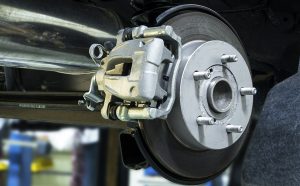
All of your car’s excellent safety features are secondary to the brakes. Your safety and that of your passengers depends on your ability to slow down and stop precisely. Even minor collisions can be stressful, costly, and injurious. Without regular brake inspections and service, you’re allowing this unnecessary danger into your daily drives.
Brake faults sometimes creep up on a driver unnoticed. During an inspection, our experienced Chevy technicians can identify subtle symptoms of trouble and carry out repairs.
What’s Included in Brake Service
During an inspection, your brake pads will be examined and replaced it necessary. Each rotor needs to be checked for cracks or malformation. Aging or scored rotors may need to be resurfaced or replaced.
It’s also vital to inspect each brake hose and line for wear or leaks. Your brake fluid must be checked and will need to be flushed every two or three years. The caliper’s springs, pins, and clips also need inspection.
How Often To Schedule Brake Service
The ideal service interval differs from driver to driver, but a good rule of thumb is twice per year. If you commute daily in heavy traffic, you’re probably wearing your brake pads and rotors down faster and will need more frequent inspections. Likewise, steep mountain roads and heavier loads can strain your brakes excessively. By contrast, drivers who mostly cruise along highways tend to use their brakes less and may only need yearly inspections.
Signs That Your Brakes Need Attention
Strange noises like squeaking, grinding, rattling, scraping, or thumping are often an early warning of brake trouble. Brake pads will typically start to squeak when almost worn out. Other sounds might point to more serious damage.
Rising vibrations may indicate a worn or scored rotor disc. Sponginess in the brake pedal probably means brake fluid is leaking or air has gotten into the brake lines, which are both hazardous problems. Longer stopping distances could mean your brakes are overheating, or a caliper is locked.
Let us preserve your road safety with routine brake service. Visit Jennings Chevrolet in Glenview, IL, for help from experienced Chevy technicians.
Connect with us


Recent Blog Entries
- Chevrolet EV Lineup for 2026: A Glimpse Into the Future of Driving
- The 2026 Chevy Colorado Trims: Find Your Perfect Fit
- 2026 Chevy Trax Trims: Find Your Perfect Match in Glenview, IL
- Everything You Need to Know About the 2026 Chevy Silverado 2500 HD
- Chevy Maintenance Schedule: Keeping Your Vehicle Reliable
Categories
- 2025 Chevy Blazer Glenview, IL
- 2025 Chevy Corvette E-Ray Glenview, IL
- 2025 Chevy Equinox EV Glenview, IL
- 2025 Chevy Equinox Glenview, IL
- 2025 Chevy Silverado 1500 Glenview, IL
- 2025 Chevy Silverado 2500 HD Glenview, IL
- 2025 Chevy Suburban Glenview, IL
- 2025 Chevy Tahoe Glenview, IL
- 2025 Chevy Trailblazer Glenview, IL
- 2025 Chevy Trax Glenview, IL