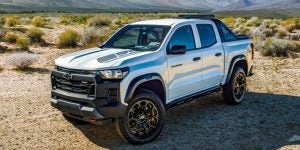
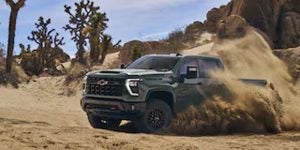
The future of driving is here with the Chevrolet EV Lineup for 2026. As the demand for environmentally friendly vehicles continues to rise, Chevrolet is paving the way with an impressive range of electric vehicles designed to suit every lifestyle. Jennings Chevrolet in Glenview, IL, is the epicenter of this electric revolution. You are not just choosing a car, you are choosing a powerhouse of sustainability. Chevy's 2026 EV models are ready to crush the status quo with innovative features, bold designs, and sustainable technology. Let’s take a closer look at the standout models in the lineup and why they’re a game-changer for drivers seeking new Chevy electric vehicles near Glenview, IL. The 2026 Chevrolet Silverado EV: Redefining Power and Sustainability Chevrolet's iconic Silverado gets an electrifying upgrade with the 2026 Silverado EV. This innovative truck combines the rugged durability Silverado fans expect with the cutting-edge technology of electric power. Offering an insane 12,500 lbs max towing capacity, a spacious interior, and advanced infotainment systems, the Silverado EV is perfect for drivers who need toughness without compromising on sustainability. The Custom trim starts at $55,895 and features massive 22" machined face aluminum wheels. The LT starts at $62,995, packing a 17.7" diagonal infotainment touch screen display and 18" high gloss black painted aluminum wheels. For those who live for the dirt, the Trail Boss starts at $72,095 and comes equipped with a 2" lift and 18" wheels wrapped in 35" all-terrain tires. For those in Glenview, IL, the Silverado EV is an excellent choice for work or recreation. With 350 kW fast-charging capabilities and a robust 493 mile max battery range, this model ensures that you’re always ready to tackle the road ahead. It’s a clear standout in Chevrolet’s EV Lineup for 2026. This beast generates up to 760 hp and 775 lb-ft of torque in Wide Open Watts mode, proving that electric power is superior. The 2026 Bolt EV: Compact Yet Mighty The Bolt EV continues to showcase Chevrolet’s commitment to accessible electric driving. Its compact size makes it ideal for city navigation, while a 262 mile EPA-estimated battery range ensures it’s equally capable on longer trips. The 2026 Bolt EV is designed to be user-friendly, featuring an intuitive 11.3" diagonal touchscreen interface, advanced driver-assistance technologies, and a surprisingly roomy interior for its class. The LT trim starts at $28,595 and delivers 210 hp and 169 lb-ft of torque. For a sportier vibe, the RS trim features 17" black wheels and red interior stitching. If you're searching for new Chevy electric vehicles near Glenview, IL, the Bolt EV offers a practical and affordable way to transition to electric driving. Plus, its eco-friendly footprint makes it a smart choice for environmentally conscious drivers. This car is a statement that you do not need to spend 1,000,000 to save the planet. The 2026 Blazer EV: Style Meets Efficiency For those who crave SUV versatility combined with cutting-edge EV technology, the 2026 Chevrolet Blazer EV delivers on all fronts. This midsize SUV boasts a sleek design, a spacious cabin, and advanced features like hands-free driving with Super Cruise™. The LT trim starts at $44,700 and offers 220 hp with 19" wheels. The RS trim starts at $50,500 and steps up to 21" wheels. For the ultimate thrill, the SS trim starts at $60,700 and unleashes an earth-shattering 615 hp and 650 lb-ft of torque, riding on 22" multi-finish wheels. Glenview, IL, families will love the practicality of the Blazer EV. With its blend of performance and efficiency, this SUV is a shining example of what the Chevrolet EV Lineup for 2026 has to offer. The RS FWD model provides a 312 mile range, ensuring you never have to slow down. The 2026 Equinox EV: The Ultimate All-Rounder The 2026 Equinox EV is the most affordable 315+ mile range EV in America, starting at just $34,995 for the LT 1 trim. This SUV is a masterclass in efficiency, offering 319 miles of range with FWD. The LT 2 starts at $41,795 and adds wireless phone charging and HD Surround Vision. The sporty RS starts at $44,095, featuring 21" black wheels and 300 hp with the optional AWD system. Every trim comes standard with a massive 17.7" diagonal center touch screen to keep you connected. Why Choose Chevrolet’s EV Lineup in Glenview, IL? Chevrolet’s 2026 EV lineup isn’t just about the vehicles, it’s about creating a better driving experience. From the dependable Silverado EV to the versatile Blazer EV, the efficient Equinox EV, and the compact Bolt EV, each model is engineered with sustainability, innovation, and practicality in mind. These vehicles are fully compatible with Google built-in, though they do not support Apple CarPlay© or Android Auto©. For drivers in Glenview, IL, the availability of new Chevy electric vehicles means access to cutting-edge transportation solutions tailored to your needs. Jennings Chevrolet is here to help you find the perfect EV to fit your lifestyle, ensuring a seamless transition into the future of driving. Schedule Your Test Drive Today The Chevrolet EV Lineup for 2026 is redefining the way we think about electric vehicles. With models like the Silverado EV, Bolt EV, Equinox EV, and Blazer EV, Chevy offers something for everyone, from rugged trucks to stylish SUVs and compact cars. For those seeking new Chevy electric vehicles near Glenview, IL, the 2026 lineup presents an exciting opportunity to embrace sustainable, high-performance driving. Visit Jennings Chevrolet in Glenview, IL, to explore these incredible new models and take a step toward the future of driving. Your perfect electric vehicle awaits.