





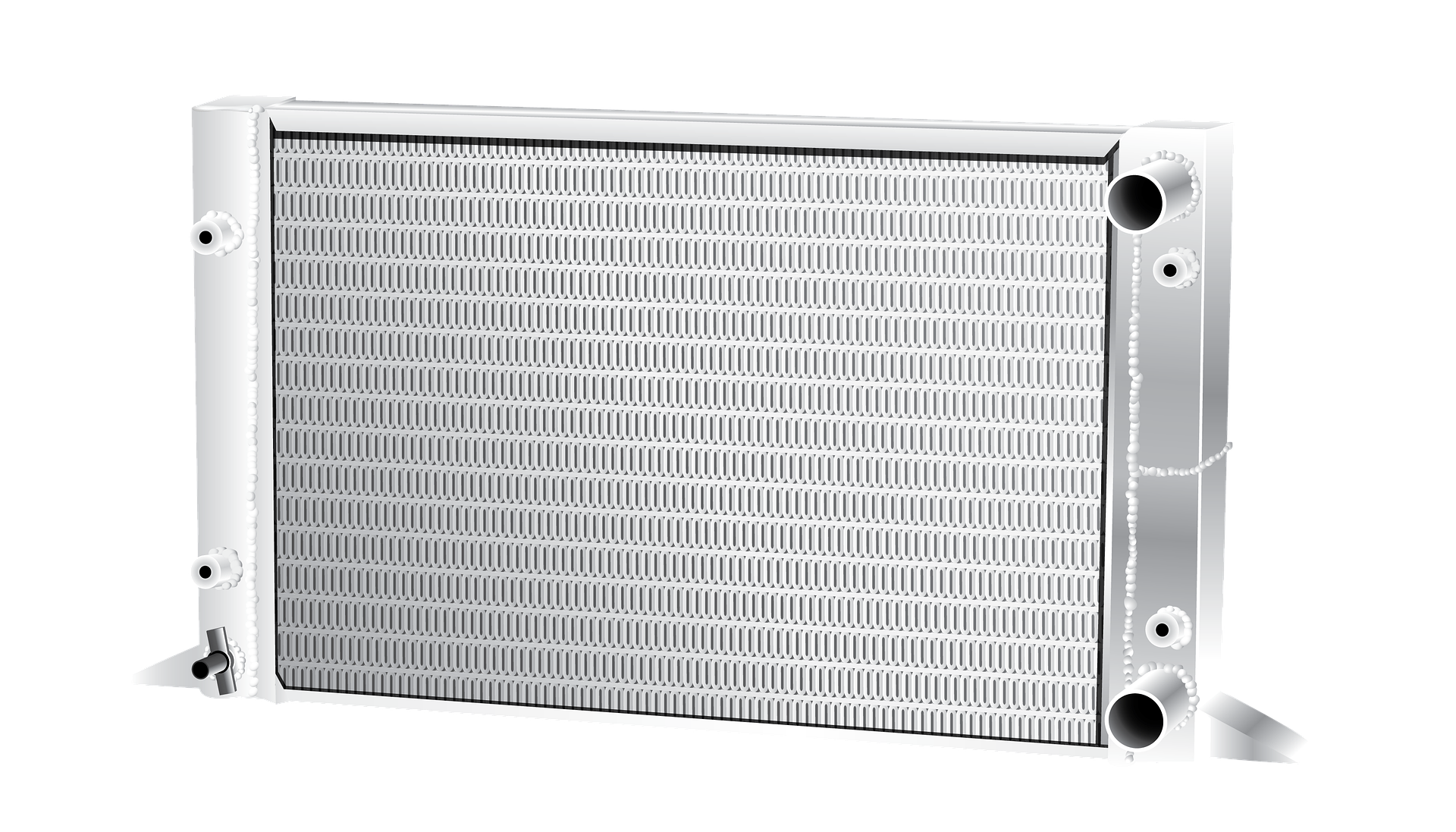
If your engine isn’t cooled, high temperatures can rapidly cause damage to sensitive parts of your engine. The radiator controls the temperature by removing the heat from the engine and replacing it with cool air from the outside. Your radiator can develop problems, and if it does, you’ll need a radiator repair. As your trusted Chevy dealer, we can help you.
Damaged Thermostat
When your engine temperature rises over 180F, coolant is released into your engine. This liquid coolant is pumped through the engine and absorbs heat as it moves. Once the coolant reaches your engine, it’s fed into rows of thin metal tubes in the front of the radiator. Air blows in through the radiator grille, and air movement across the tubes reduces the temperature. Once the coolant has cooled, it recirculated through your engine.
This process depends on the thermostat. This valve detects the rising temperature and opens to release the coolant. The thermostat, like any other component, can fail eventually. If it fails, it will jam open or closed, depending on its last position. If the thermostat jams closed, it won’t release any coolant regardless of your engine temperature. This will cause your engine temperature to rise rapidly.
Leaking Coolant
The coolant in your engine is a mix of antifreeze and water, and it has the special ability to absorb heat. Coolant operates in a fast-moving and highly-pressurized closed system. Unlike engine oil, for example, coolant isn’t consumed as the system operates. We check your coolant regularly according to your service schedule and replace it, as older coolant becomes less effective.
If you notice a puddle of pink, green, yellow, or blue liquid underneath your car, you have a coolant leak. If this leak isn’t found and fixed, it can be caused your engine to overheat. Coolant can leak from several different places, including the hoses, radiator, and radiator cap. Call us right away if you find evidence of a leak, and our technicians will find and fix it. We’ll then check the system, and refill the coolant.
Rusted Radiator
Metal rusts if it’s exposed to water and isn’t coated to protect it. Your radiator is protected by your hood and the radiator grille. This means that your radiator can only show signs of rust if there is a leak somewhere in your engine. As mentioned, coolant is a mix of antifreeze and water. A hole in a radiator hose, for example, could cause pressurized coolant to spurt onto the radiator.
The heat in your engine will dry the coolant relatively quickly, but this exposure to water can be enough to start the rusting process. Once rust starts, it can easily devour your radiator. If you see patches on rust on your radiator, we will need to replace it.
If you have any signs of a radiator problem, call us right away at Jennings Chevrolet.
Connect with us


Recent Blog Entries
- Chevrolet EV Lineup for 2026: A Glimpse Into the Future of Driving
- The 2026 Chevy Colorado Trims: Find Your Perfect Fit
- 2026 Chevy Trax Trims: Find Your Perfect Match in Glenview, IL
- Everything You Need to Know About the 2026 Chevy Silverado 2500 HD
- Chevy Maintenance Schedule: Keeping Your Vehicle Reliable
Categories
- 2025 Chevy Blazer Glenview, IL
- 2025 Chevy Corvette E-Ray Glenview, IL
- 2025 Chevy Equinox EV Glenview, IL
- 2025 Chevy Equinox Glenview, IL
- 2025 Chevy Silverado 1500 Glenview, IL
- 2025 Chevy Silverado 2500 HD Glenview, IL
- 2025 Chevy Suburban Glenview, IL
- 2025 Chevy Tahoe Glenview, IL
- 2025 Chevy Trailblazer Glenview, IL
- 2025 Chevy Trax Glenview, IL